
































































How Is Stadium Substructure Prepared for Artificial Turf?
2025-12-22 14:26:00
In modern stadium projects, field quality plays a vital role in athlete performance, match safety, and long-term usability. One of the most critical factors determining this quality is the substructure of the playing surface. No matter how advanced the surface material is, artificial turf cannot deliver optimal performance or durability without a properly engineered base. For this reason, stadium substructure preparation must be carried out in accordance with professional engineering standards.
Importance of Stadium Substructure
The substructure of a stadium field directly affects drainage efficiency, surface stability, player comfort, and overall safety. Especially for surfaces using artificial turf, a flat, stable, and well-drained base is essential. Poorly prepared substructures may cause surface deformation, water accumulation, and increased injury risk for athletes.

Ground Survey and Project Planning
Before construction begins, a detailed ground survey must be conducted. Soil bearing capacity, permeability, and existing ground conditions are carefully analyzed. Based on these findings, a customized substructure project is designed for the stadium. This step forms the foundation for a long-lasting and high-performance artificial turf installation.
Excavation and Leveling Works
Once the project design is approved, excavation works begin. Existing soil is removed to the specified depth, and the surface is leveled using laser-controlled systems. Proper leveling ensures that the field meets slope requirements and provides a perfectly even surface before artificial turf installation.
Drainage System Installation
Drainage is one of the most critical components of stadium substructure preparation. Drainage pipes are installed at calculated intervals to ensure rapid removal of rainwater and groundwater. These systems are typically surrounded by crushed stone layers to improve water flow. Effective drainage keeps the artificial turf field playable in all weather conditions.
Load-Bearing Layers and Compaction
After drainage installation, the field is built up with multiple layers of aggregate materials. These usually include crushed stone, stabilized base layers, and fine leveling materials. Each layer is compacted using professional machinery to achieve maximum strength. This process prevents settlement and ensures long-term stability beneath the artificial turf.
Shock-Absorbing and Elastic Layers
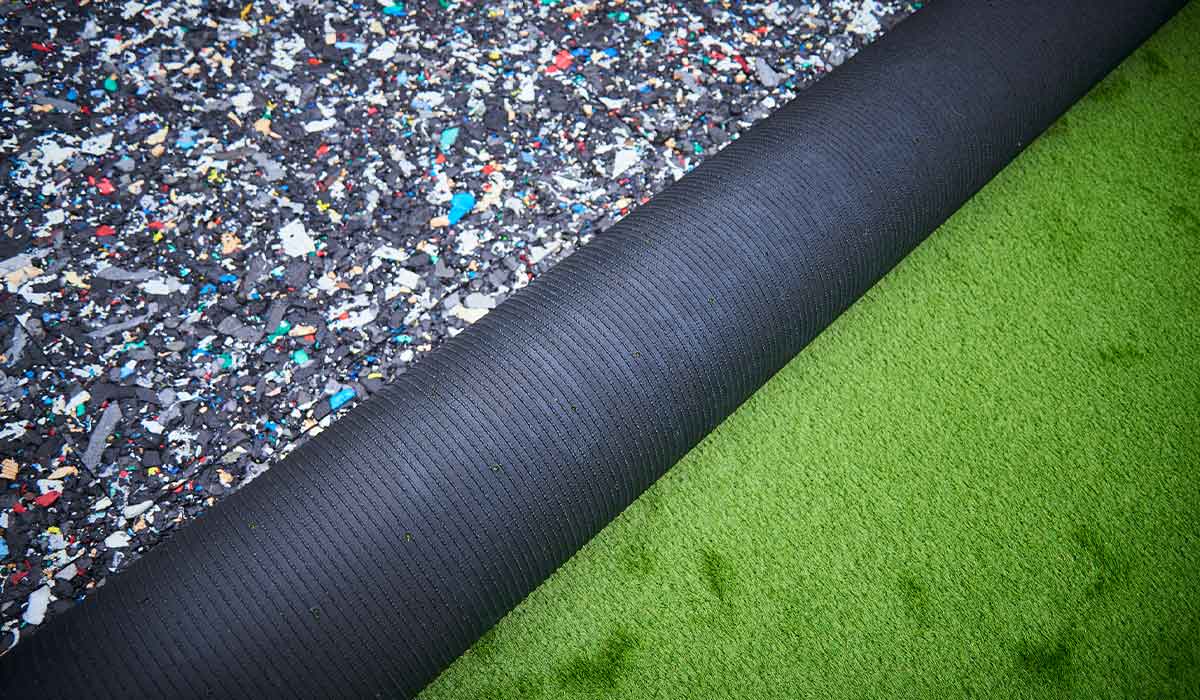
Professional stadiums often incorporate elastic and shock-absorbing layers to protect athlete health. These layers reduce impact forces on joints and muscles, lowering the risk of injuries. In stadiums designed to meet FIFA and UEFA standards, such systems are essential for artificial turf fields.
Final Preparation for Artificial Turf Installation
Once the substructure is complete, the field surface undergoes final inspections. Drainage performance, surface evenness, and slope accuracy are tested thoroughly. After all quality checks are successfully completed, the field becomes ready for artificial turf installation.
Stadium substructure preparation is one of the most critical yet least visible components of a sports field. A professionally designed and properly constructed base significantly extends the lifespan of artificial turf, reduces maintenance costs, and ensures a safe playing environment for athletes. Working with experienced companies such as avengrass ensures that every stage of the process is completed with precision and long-term sustainability in mind.